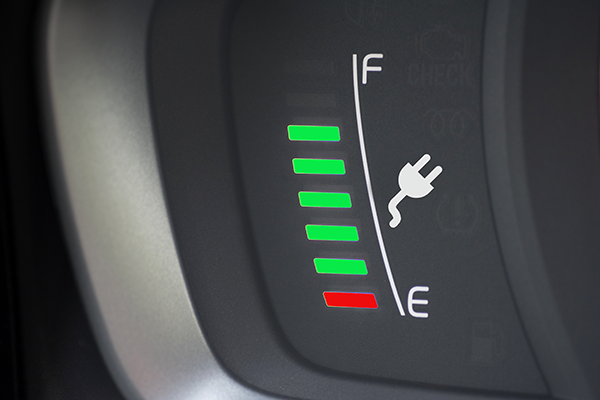

Why Drive an EV?

If you are thinking about your next vehicle purchase, consider an EV. There are now over 73 models of battery electric vehicles (BEV) and plug-in hybrid electric vehicles (PHEV) available in the U.S., and auto manufacturers are aggressively investing in EV technologies and rolling out new models each year. Plus, the nation's public charging infrastructure has more than doubled over the past two years and is poised to grow even more in the coming decade.


Benefits of Electric Vehicles

There are now over 1.7 million BEVs and PHEVs on the road in the U.S. and the market is booming, with 2022 sales totaling 928,884. Continue scrolling to learn why there’s never been a better time to invest in electric vehicles.


EV Facts

car-battery-solid-cadb2a

Battery Electric Vehicle

BEVs are 100% electric. They use an electric motor powered by a high-performance battery and do not use gasoline.

plug-circle-bolt-solid-cadb2a

Plug-In Hybrid

Plug-in Hybrid Electric Vehicles (PHEVs) have both a traditional engine and an electric motor that is recharged using a plug. The electric batteries for PHEVs are smaller than for BEVs and provide a lower electric-only driving range. Most PHEVs operate on their electric motor until the available charge is depleted, then automatically switch to their internal combustion engine.

car-solid-cadb2a
car-solid-cadb2a

Range

Range is the number of miles an EV can travel on its electric motor before being recharged. Most Americans drive less than 40 miles per day. The average range for 2023 model year BEVs is 276 miles, with many models exceeding a range of 300 miles on a full charge, so most Americans driving a BEV can go multiple days without recharging.*

charging-station-solid-cadb2a

Charging

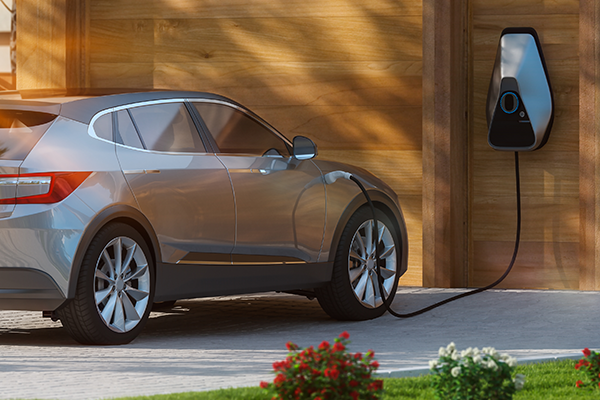
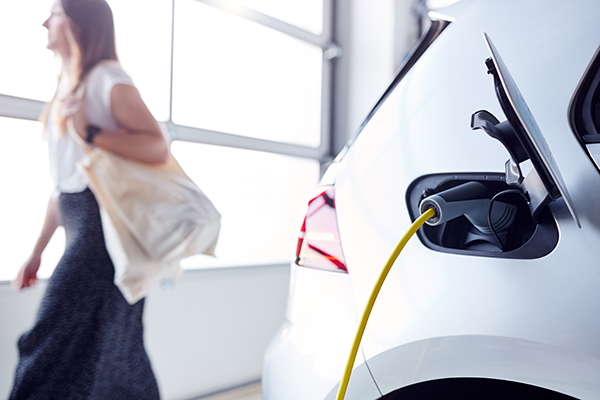
Charging your EV requires plugging into a wall plug or an electric vehicle charger. Charging time depends upon the power source and the vehicle’s charger capacity. Every EV has a its own battery charger that converts the AC electricity from the wall into DC, to charge the battery. A vehicle with a 10 kW charger and a 100-kWh battery pack takes approximately 10 hours to charge. Alternatively, a DC "fast charger" can charge to 80% capacity in about 30 minutes.

*It’s important to remember that EV ranges are estimates, and can be impacted by things like driving style, terrain, and ambient temperature. For the vast majority of EVs, range is higher for city verses highway driving, as consumption increases at higher speeds and the car isn’t able to take advantage of regenerative braking. Daily driving routines vary widely; consider yours when selecting an EV.

EV Incentives and Programs

Find State and Federal Incentives. Sign up for money-saving EV Rate Plans. Purchase and install a qualifying Level 2 (240V) charging station at your home and receive a $500 incentive!

Learn More

Incentives_Programs
Screen Shot 2022-07-13 at 10.22.16 AM


Find A Charging Station

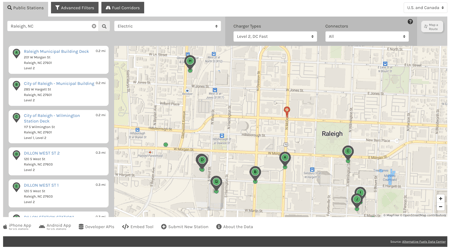
Use our interactive map to locate electric chargers in your area.

Find Public Charging Stations